
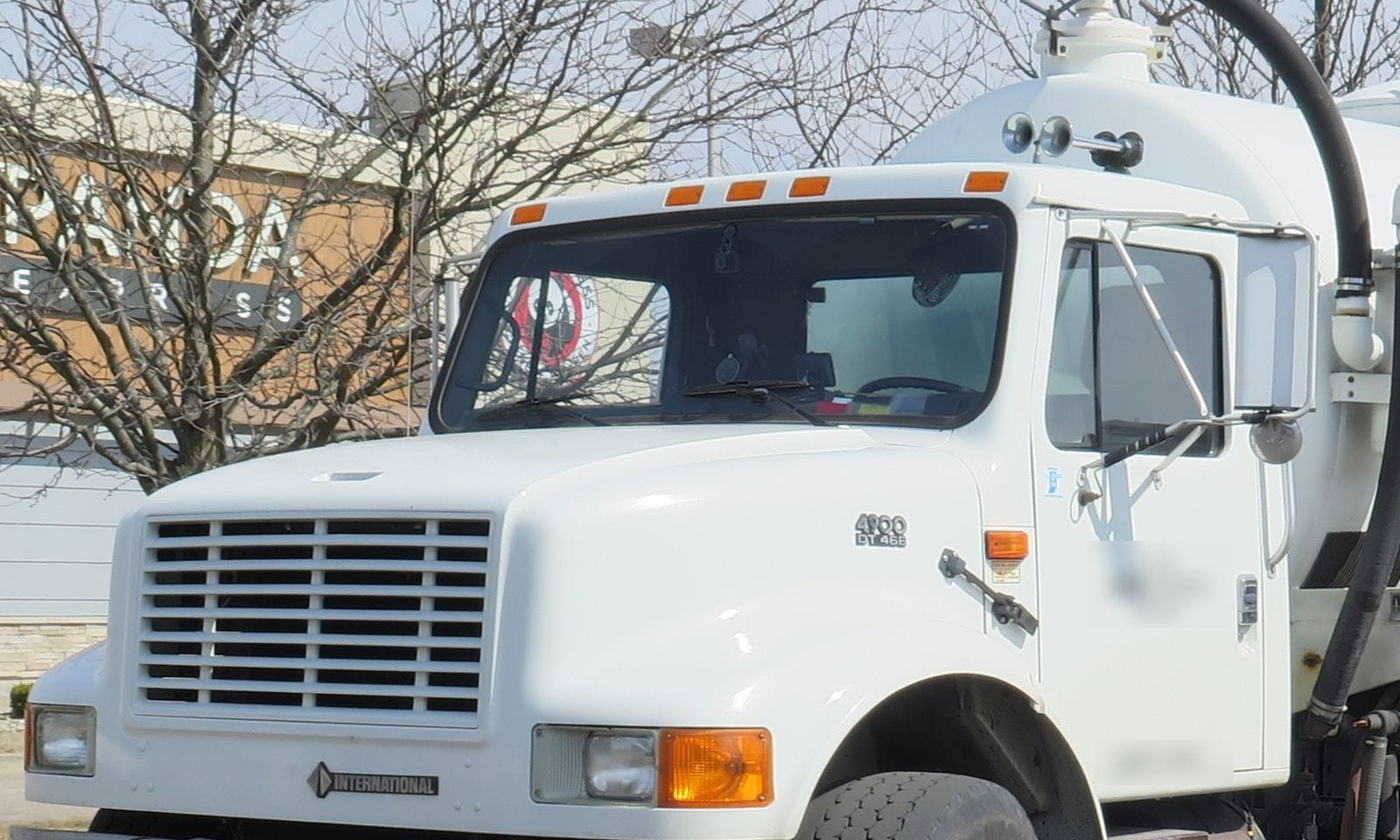
Hero truck

Portland and Cumberland County

Septic Pumping Portland ME

We pump and clean septic tanks, inspect systems, fix damaged parts, and help with Maine HHE-200 work around greater Portland.

Call to confirm current scheduling · Urgent calls accepted

  • 2–5 yr Maine pumping guidance Use changes the interval; garbage grinders call for annual pumping.
  • $300–$600 Routine pump-out range For a reachable residential tank; we quote the actual setup.
  • HHE-200 New and replacement systems A licensed evaluator draws it and the local inspector approves it.
  • 8 towns Greater Portland coverage Town pages list the local sewer and septic details that matter.
Septic service near Portland

Call us for pumping, cleaning, inspections, and repairs

We handle routine pump-outs, backed-up tanks, septic inspections, damaged lids and baffles, drainfield problems, and new-system work. Tell us what the drains are doing, when the tank was last pumped, and how a truck can reach it. We will use that information to size up the job and give you the next available option.

Portland’s dense mainland is mostly on public sewer, but the city still has documented onsite systems on Peaks and Cliff Islands and at some outlying properties. Septic service becomes much more common in the surrounding towns. Standish has no public sewer. Most Cumberland homes use septic outside its sewer corridors. Windham and Gorham have a mix. Raymond, Gray, North Yarmouth, and New Gloucester include lake lots, wet ground, shallow ledge, rural roads, and shared systems. We confirm the address before we set up a tank call.

Call (207) 962-2299 with the property address, last service date, tank location, and current problem. Calls are answered by an independent septic contractor serving the area. The contractor confirms availability, the work, the price, and where the pumped material will be delivered.
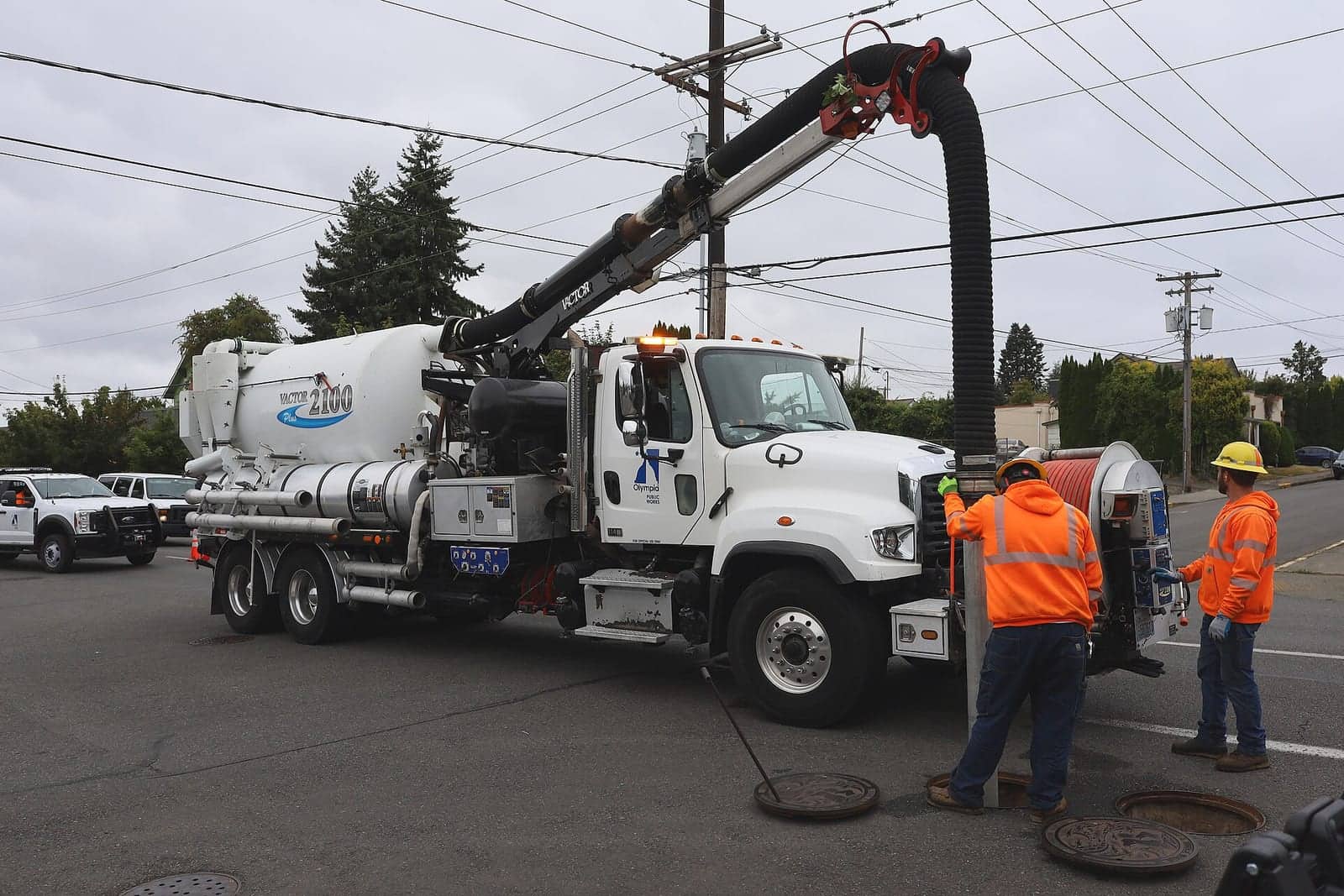
What we do

Start with the service you need. If you are not sure, describe the symptoms and service history when you call.

Working in southern Maine

Snow, spring water, ledge, and shoreland lots affect septic work

Winter hides access and spring adds water

Portland averages 68.7 inches of snow and about 144 nights at or below freezing. A plow pile can bury the lid, and frozen ground can turn a quick hand dig into a longer job. During spring thaw, tell us whether the backup or wet spot started with warmer weather.

Rainfall needs a drainage route

Portland’s annual precipitation normal is 48.12 inches. Keep gutters, sump discharge, and driveway runoff away from the field. A rain-soaked lawn does not always mean the field failed. Sewage breaking the surface does: stop unnecessary water use and keep people and pets clear.

Soil and ledge decide the design

Raymond and North Yarmouth town plans note wet soils, aquifers, and shallow bedrock. A licensed site evaluator checks the lot and draws the replacement system. We do not promise a field layout before that work is done.

Some shoreland sales need an inspection

Maine requires a certified subsurface wastewater inspection for certain shoreland-area transfers. The statute has its own timing and exceptions. It does not cover every home sale in Maine, so confirm whether it applies early in the deal.

How we handle a pump-out

  1. Tell us about the tank

    Give us the address, last pumping date, tank size if known, lid location, access, and current problem.

  2. Set the scope and price

    We confirm locating or digging, hose distance, compartments, extra service, travel, and what the quote includes.

  3. Pump every compartment

    We work through the service access and remove the liquid, floating scum, and settled solids from each compartment.

  4. Close up and leave a record

    You get the amount pumped, visible concerns, load destination, and any follow-up for an evaluator or local inspector.

Before we install or replace a system

Get the HHE-200 and local permit before digging

A Maine licensed site evaluator checks the soil and lot, then prepares the HHE-200 design and application. The drawing shows the system, setbacks, design flow, and layout. Digging starts after the municipal Local Plumbing Inspector reviews and signs the permit.

Portland Permitting & Inspections handles Portland properties. Every nearby town has its own inspector, fees, intake, and inspection schedule. Maine CDC supplies the statewide technical rule. We can coordinate the work, but the local inspector issues the permit.

Read the Portland-area HHE-200 guide before design or replacement work.

After we empty the tank

The load goes to an authorized facility

Maine DEP licenses each truck used to haul Category C septage. State rules call for a driver-side window decal, a license kept with the truck, and shipment records. Ask which business and truck will handle your load.

The contractor should also name the authorized receiving or disposal facility. Maine sharply limits new septage land-application licenses. Your pump-out record should include the service date, amount removed, and destination.

See what to prepare for a pump-out and what belongs on the service record.

Property records

Bring the design and prior pump tickets together

The HHE-200 can show the tank, disposal area, system components, design flow, and required setbacks. A prior service ticket can add lid locations, compartments opened, material removed, and visible conditions. Give both to the independent provider when they are available. They help distinguish routine tank access from a pump chamber, shared system, or repair that needs a different scope.

For a Portland mainland address, verify the wastewater account before ordering a truck. For an island or outer parcel, use the municipal record and what is installed at the property. Neither a neighborhood label nor an old yard cover proves that an active septic system serves the building.

A sale does not automatically create the same inspection duty everywhere in Maine. Certain shoreland-area transfers have a statutory certified-inspection requirement with timing rules and exemptions. Confirm the parcel and transaction before ordering an inspection meant for that purpose.

Vehicle and manifest

Confirm who transports the load

Maine DEP licenses each conveyance hauling Category C septage. Look for the decal on the driver's side and ask which legal business accepted the job. The service record should identify the vehicle or provider, amount removed, and authorized receiving or disposal facility used for that load.

This website routes calls and does not publish a transporter number of its own. Scope, price, scheduling, and the actual destination are confirmed directly with the provider.

Service area

Where we work

Portland island and outer parcels, plus nearby towns where onsite wastewater is common.

Every area we serve

Portland

Most of the urban mainland uses public sewer. We check island and outlying addresses before scheduling a septic truck.

North Deering · Riverton · Nason’s Corner · Stroudwater · East Deering · Deering Center · Peaks Island · Munjoy Hill

ZIPs 04101 · 04102 · 04103 · 04108

Nearby Cumberland County towns

Ferry travel, road conditions, and tank access affect the route. Call with the address and we will confirm whether it fits the current schedule.

When not to hire a pump truck

Make sure pumping matches the problem

If the address is on public sewer, do not pay for septic service. If one sink or toilet is slow while everything else works, call a plumber first. If the tank was pumped last week and the same trouble came right back, another routine pump-out may buy only a little time while a pipe, pump, electrical part, groundwater leak, or disposal field still needs repair.

Sewage indoors, wastewater on the lawn, and a broken tank cover need quick attention. Cut water use, block off the area, and call with the location and timing. We may pump as part of the first visit, but pumping does not restore failed soil. A replacement field needs a licensed site evaluator, an HHE-200, and approval from the local inspector.

Portland-area septic questions

Is Portland, Maine mostly on septic?

No. The urban mainland is substantially served by municipal sewer. Onsite systems are more plausible on islands, isolated outer parcels, and in nearby towns, but the property address should always be verified.

How often does Maine recommend pumping a septic tank?

Maine CDC advises roughly every two to five years depending on use and annually when a garbage grinder is used. It is guidance, not one statewide legal deadline for every home.

What does routine septic pumping cost near Portland?

A reachable residential tank often runs about $300–$600. Capacity, lids, digging, hose distance, access, travel, and disposal affect the contractor’s actual quote.

Who issues a septic permit in Portland?

The City of Portland Local Plumbing Inspector through Permitting & Inspections handles the local permit. Maine CDC writes the statewide subsurface wastewater rule.

Who performs the septic work?

An independent contractor serving the Portland area handles any accepted job and confirms the business name, credentials, availability, scope, price, and disposal arrangements.

Request service

Name, phone, property address, and service are required.

For anything urgent, call (207) 962-2299.

Need a tank pumped near Portland?

Call with the address, tank location, last service date, and what the drains are doing. We will confirm the next available option.

What Our Customers Say

“Regular schedule for our restaurant. Records arrive on time for the health department. Once they ran a half hour behind, but they called first.”
Miguel A. Munjoy Hill · Grease trap cleaning
“Showed up on time, opened the right lid, and showed me the sludge level before pumping. Left the lid sealed properly, which the last company did not.”
Rafael D. North Deering · Septic pumping
“Did the inspection for our home sale, wrote up the findings so the lender accepted them, and answered the buyer’s questions himself.”
Lucia F. Riverton · Septic inspection
Call (207) 962-2299 Septic pumping · Portland & Cumberland County