
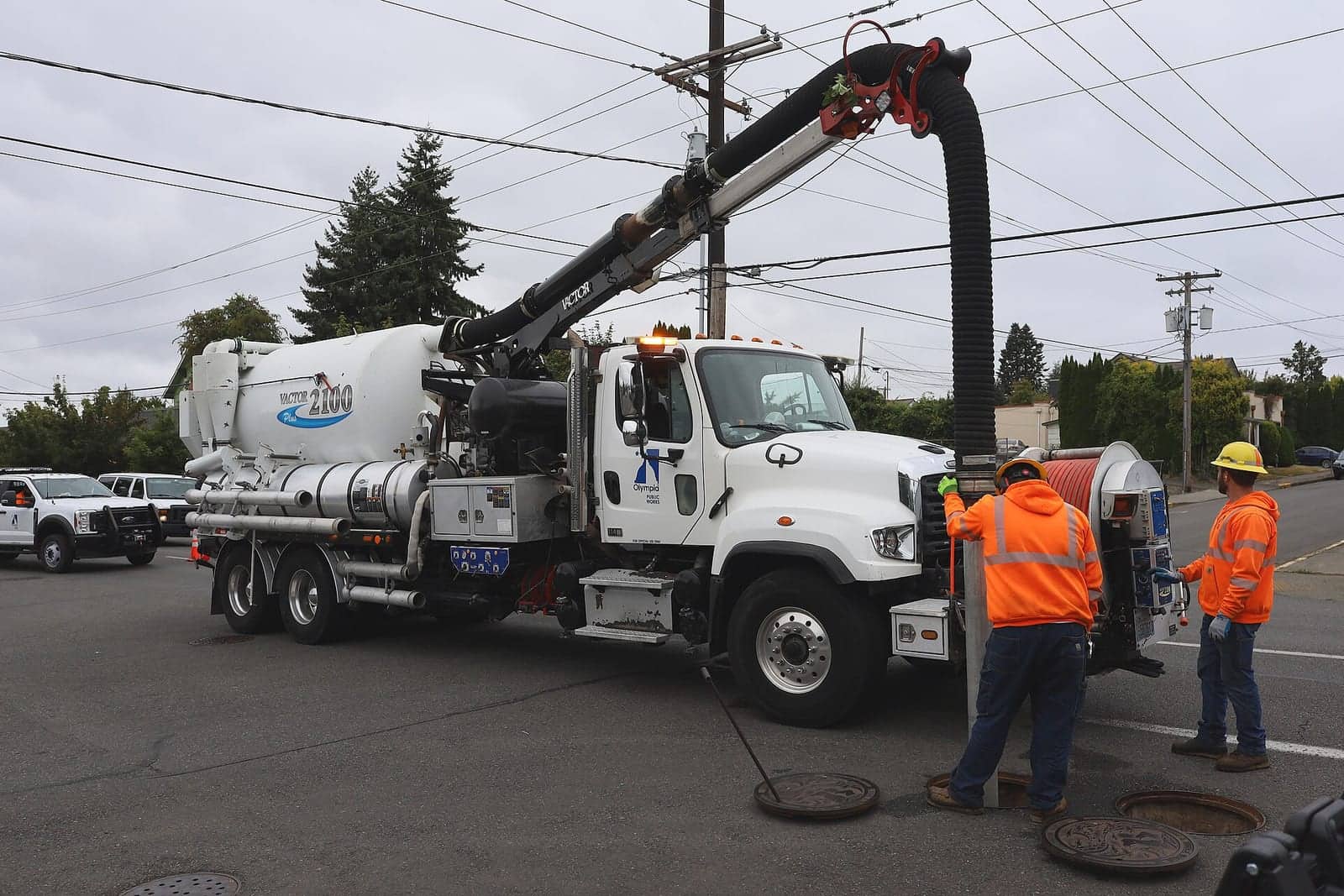
What we do during a complete pump-out
We remove the liquid, scum, and settled solids through the main service opening. A small inspection port is not a substitute for full access. Tank size, compartments, lid condition, digging, and hose distance all affect the job. If the lid is buried, we agree on locating, digging, and cleanup before work starts.
With the tank open, we can note a weak cover, displaced baffle, high liquid level, or dirty effluent filter. We can only report what is visible from safe access; buried pipes and the field are not guaranteed. Your service record should show the amount pumped and where the load went.
How often to pump in Maine
Maine CDC advises pumping about every 2–5 years depending on use, and annually when a garbage grinder is used. Household size, tank capacity, water use, and nondegradable material change the interval. If you just bought the house and have no records, pumping gives you a clean starting date and a look at the tank.
The two-to-five-year range is maintenance guidance, not one legal deadline for every Maine home. Follow a shorter interval set by the evaluator, manufacturer, town program, or operating agreement. Garbage grinders send extra solids to the tank, which is why Maine CDC recommends annual pumping when one is used.
Primary source: Maine CDC Subsurface Wastewater Disposal Rule.
Where the pumped material goes
Maine licenses each truck carrying Category C septage through the Maine DEP Non-Hazardous Waste Transporter Program. The program calls for a driver-side window decal, a license kept with the truck, and shipment records. Ask the contractor who answers the call to identify the business and truck that will haul your load.
The load should go to an authorized receiving or disposal facility. Maine now sharply limits new septage land-application licensing, so the destination should be specific. Keep it on the pump-out record for the next service call or property sale.
Primary source: Maine DEP non-hazardous waste transporter program.
What to tell us when you call
Have the address, callback number, last service date, system records, and a short description of the problem ready. Mention buried lids, gates, ferry travel, steep or soft ground, a long hose run, snow piles, and alarms. We use those details to confirm availability, equipment, scope, and price.
Much of Portland’s mainland is on public sewer, while island and outlying properties can use septic. Nearby towns have their own mix. If there is any doubt, check the address with the town or utility before scheduling an onsite wastewater job.
Clear normal items such as toys, loose hoses, and parked cars from the access route, but do not dig around an unknown lid or move heavy equipment across the field. Tell us about a second compartment, pump chamber, effluent filter, deep cover, damaged riser, or locked gate before the visit. We also need to know if the truck must stay on a narrow shoulder or if the hose crosses a walkway, neighbor’s land, or active business entrance. Those details affect setup time and what belongs in the quote.
Ask which truck will haul the load
Maine DEP licenses each truck used to transport Category C septage. Program rules call for a decal on the driver's side window, a license kept with the truck, and shipment records. Pumped material goes to an authorized receiving or disposal facility; ask where your load will be taken.
Calls are answered by an independent septic contractor serving the area. Ask for the business name, the truck handling the work, any credential or insurance information needed for your project, and the receiving destination before the load leaves.
Primary source: Maine DEP non-hazardous waste transporter program.
Keep a useful service record
Save the date, work completed, amount pumped, parts accessed, visible condition, load destination, and next step. Mark tank lids from fixed building corners. If the job needs a design or permit, take the field notes to the licensed site evaluator or Local Plumbing Inspector.
The invoice should say what was done. Ask questions while the tank or excavation is open, and leave required construction exposed for the inspector. For a recurring problem, compare records so we can see a timeline instead of one symptom on one day.
If a lid, baffle, filter, alarm, or pump needs separate work, ask for that item to be named instead of accepting a vague whole-system recommendation. A clear record helps the next service call start with the known condition rather than repeating the same locating and troubleshooting work.