
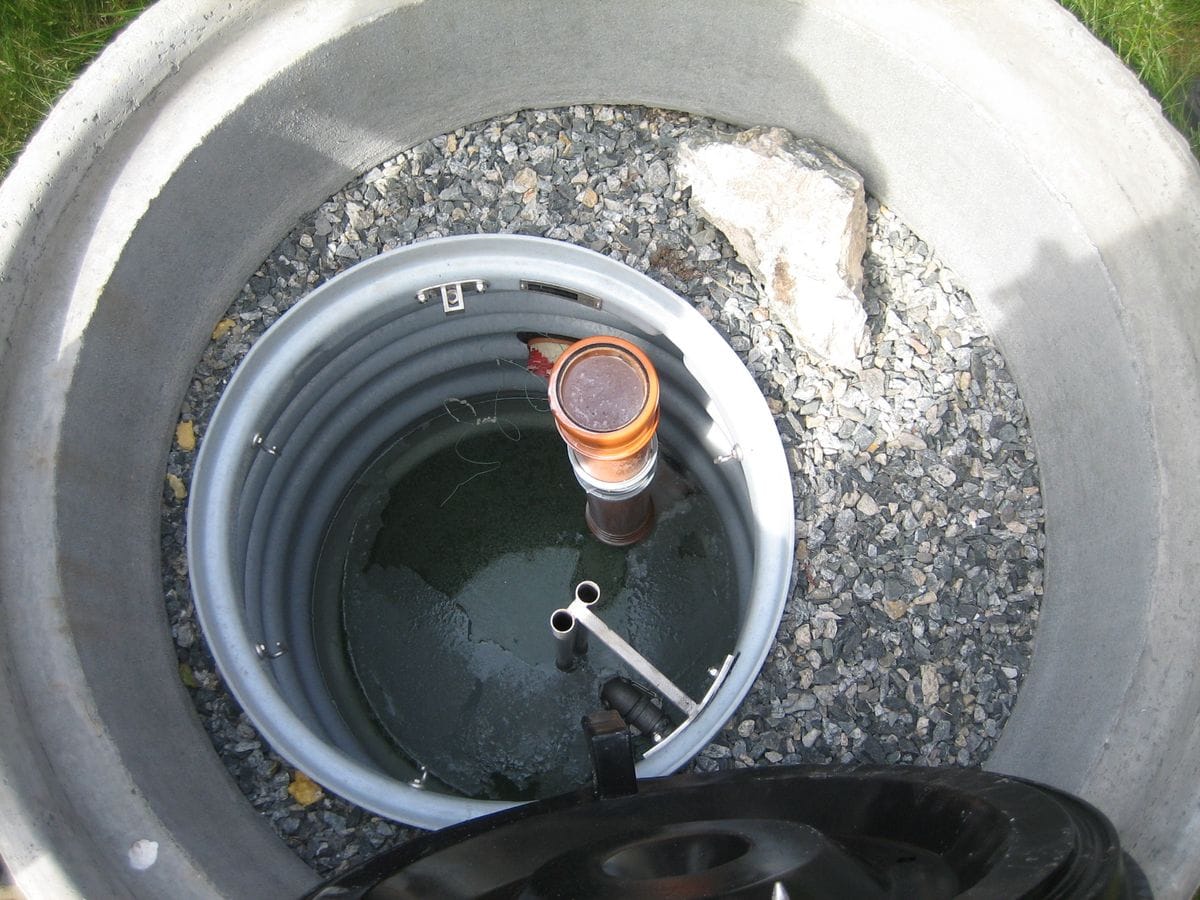
Agree on the inspection before we open the tank
A septic inspection may be a maintenance check, a tank inspection during pumping, a buyer’s inspection, or troubleshooting after a backup. We spell out which one you are getting. The scope should say which parts we will locate, whether we will review records, whether pumping is included, how flow is checked, and what report you receive.
We cannot see through soil or promise how many years a buried system has left. Weather and household use also affect what shows up during the visit. Our report separates what we saw, what we could not access, what the owner told us, and what needs follow-up.
Bring the HHE-200 and pumping records
An HHE-200 shows the planned tank, field, setbacks, and reserve area. Pumping receipts establish a service timeline. Town files may show replacement work and inspection sign-offs. Bring what you have, but remember that an approved drawing may not show later changes or today’s condition.
Portland’s permit archive contains subsurface wastewater records for island properties. Other towns keep their own files through code enforcement or the Local Plumbing Inspector. If a record is not online, call the office; a missing web result does not mean the tank is missing.
Primary source: Maine CDC HHE-200 permit forms and guidance.
Problems that need quick attention
Limit water use when sewage reaches the lawn, wastewater backs into fixtures, or the liquid sits above the outlet. A cracked riser or collapsing lid is a fall hazard even if the drains still work. Keep children, visitors, and animals away from open or damaged access.
A dirty filter is not the same as a saturated field. Roots found in one accessible pipe do not prove the whole system failed. We tie each recommendation to a visible condition and say when a licensed site evaluator or Local Plumbing Inspector needs to take over.
What to tell us when you call
Have the address, callback number, last service date, system records, and a short description of the problem ready. Mention buried lids, gates, ferry travel, steep or soft ground, a long hose run, snow piles, and alarms. We use those details to confirm availability, equipment, scope, and price.
Much of Portland’s mainland is on public sewer, while island and outlying properties can use septic. Nearby towns have their own mix. If there is any doubt, check the address with the town or utility before scheduling an onsite wastewater job.
Clear normal items such as toys, loose hoses, and parked cars from the access route, but do not dig around an unknown lid or move heavy equipment across the field. Tell us about a second compartment, pump chamber, effluent filter, deep cover, damaged riser, or locked gate before the visit. We also need to know if the truck must stay on a narrow shoulder or if the hose crosses a walkway, neighbor’s land, or active business entrance. Those details affect setup time and what belongs in the quote.
Ask which truck will haul the load
Maine DEP licenses each truck used to transport Category C septage. Program rules call for a decal on the driver's side window, a license kept with the truck, and shipment records. Pumped material goes to an authorized receiving or disposal facility; ask where your load will be taken.
Calls are answered by an independent septic contractor serving the area. Ask for the business name, the truck handling the work, any credential or insurance information needed for your project, and the receiving destination before the load leaves.
Primary source: Maine DEP non-hazardous waste transporter program.
Keep a useful service record
Save the date, work completed, amount pumped, parts accessed, visible condition, load destination, and next step. Mark tank lids from fixed building corners. If the job needs a design or permit, take the field notes to the licensed site evaluator or Local Plumbing Inspector.
The invoice should say what was done. Ask questions while the tank or excavation is open, and leave required construction exposed for the inspector. For a recurring problem, compare records so we can see a timeline instead of one symptom on one day.
If a lid, baffle, filter, alarm, or pump needs separate work, ask for that item to be named instead of accepting a vague whole-system recommendation. A clear record helps the next service call start with the known condition rather than repeating the same locating and troubleshooting work.